Bedding encompasses a range of components designed to support restful sleep, including mattresses, foundations, pillows, and protective accessories. This category highlights how materials, construction, and firmness levels influence spinal alignment, pressure relief, and temperature regulation. Understanding these elements helps consumers evaluate comfort, durability, and suitability for various sleeping positions and room environments.
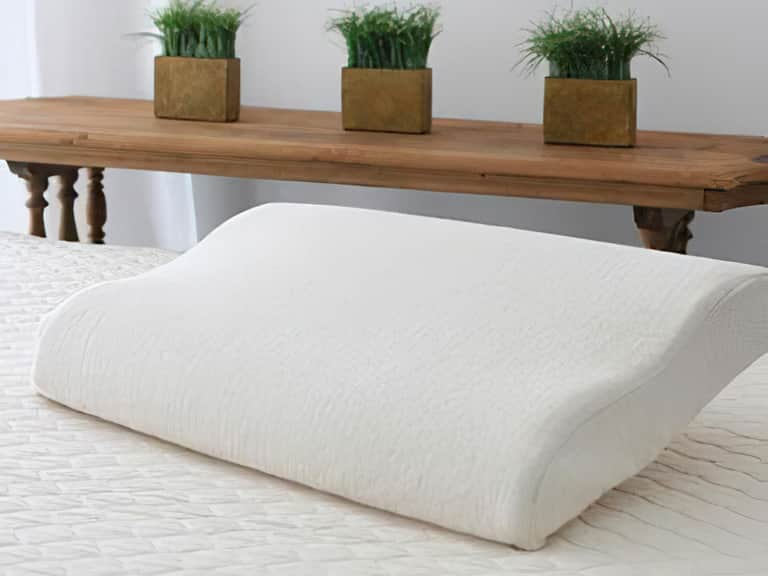
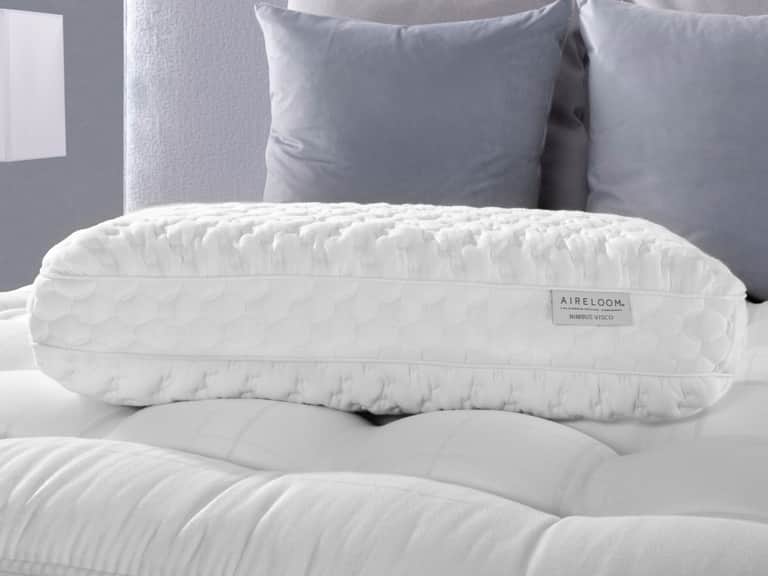
Memory foam pillows and organic mattresses are prominent within bedding, emphasizing premium materials and thoughtful design. Memory foam adapts to body contours, offering targeted support for the neck and shoulders, while organic options minimize exposure to synthetic additives. Material certifications and sustainability considerations often inform long-term health and environmental impact.
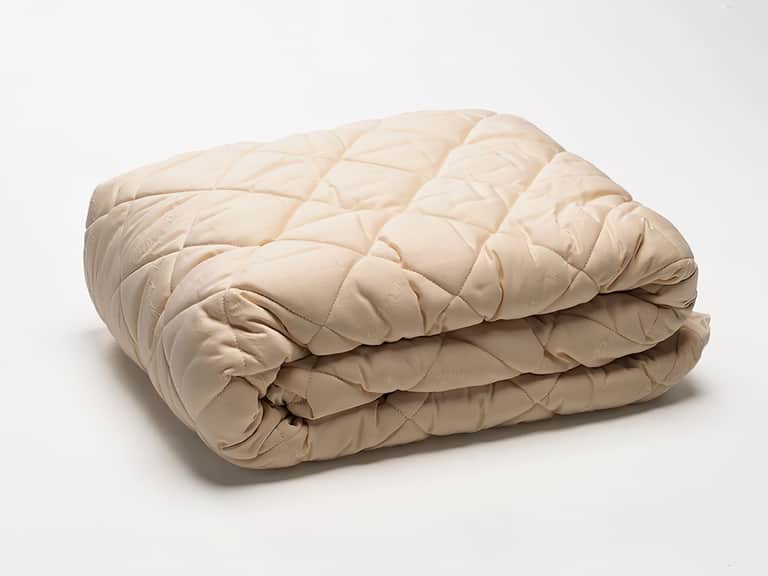
Supportive bedding frequently integrates features such as breathable covers, moisture-wicking fabrics, and hypoallergenic components. These attributes help maintain a cooler sleep surface, reduce allergen exposure, and extend product longevity. When selecting bedding, customers consider heat transfer, airflow, and ease of maintenance alongside comfort preferences.
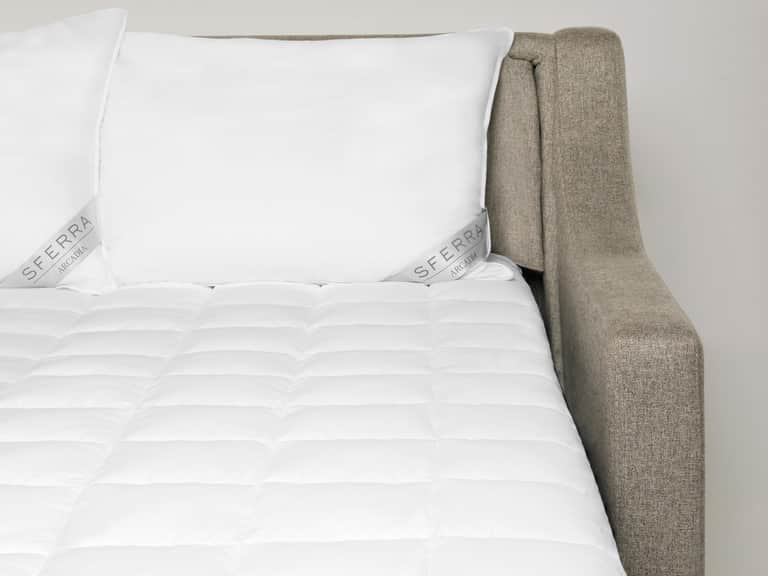
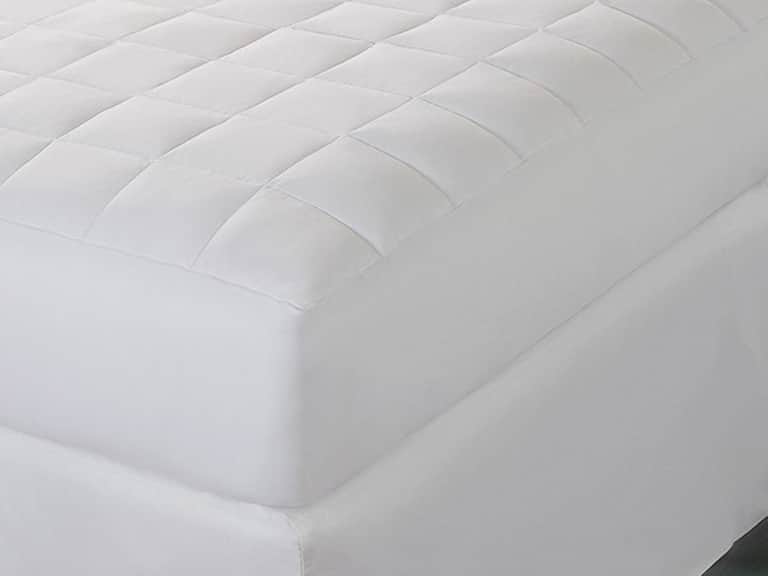
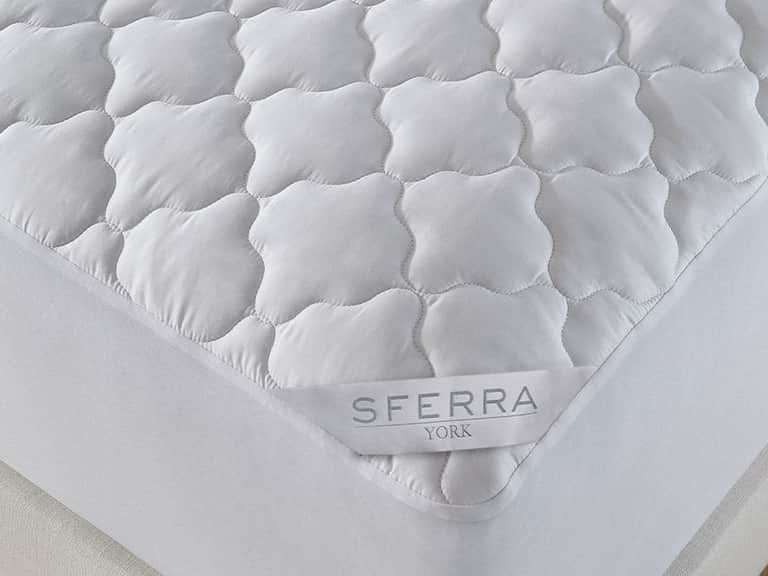
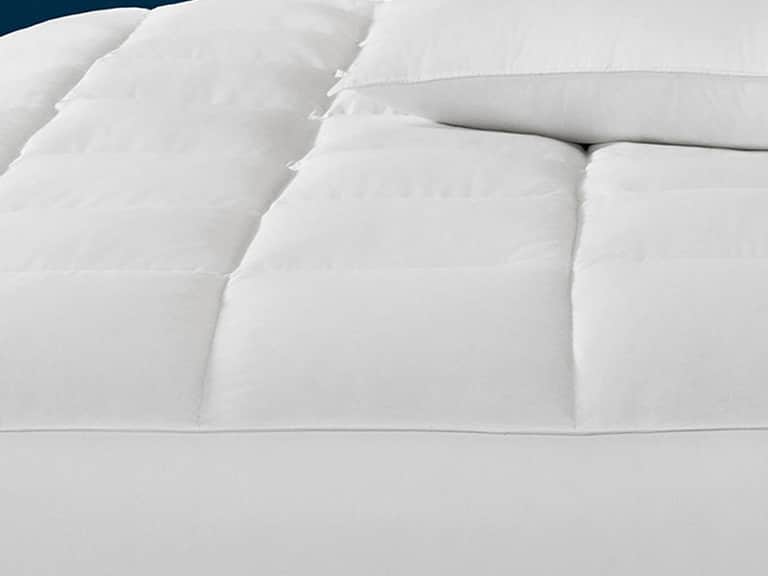
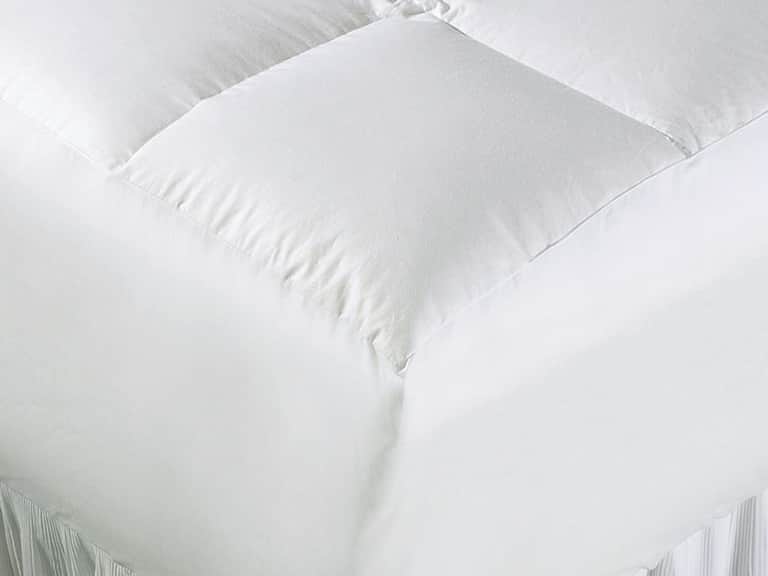
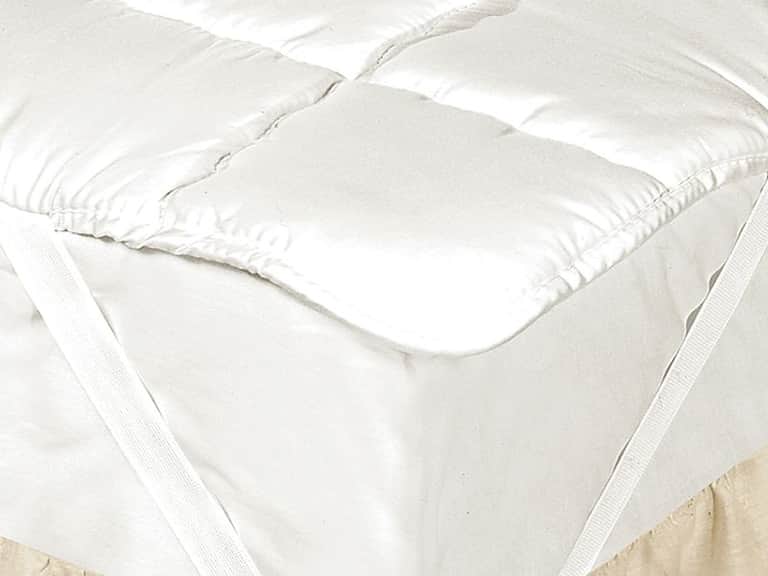
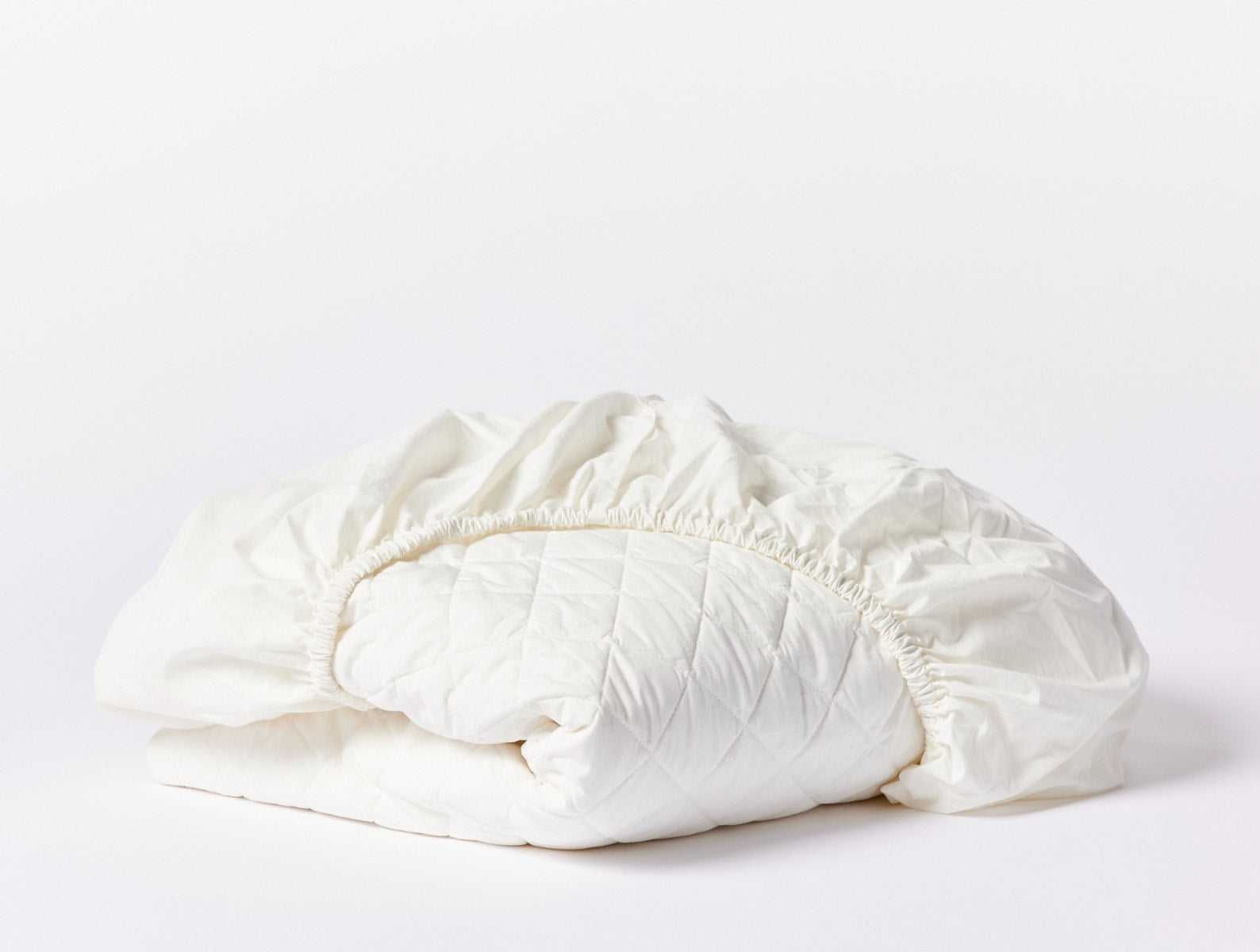
The Arcadia Comfort Sleeper Mattress Pad demonstrates how layered construction can enhance surface comfort and protection. It combines supportive fill with a responsive top layer to balance softness and contouring, while providing a removable, washable cover for practicality. Such pads can improve sleep quality by smoothing minor unevenness on older mattresses.
In summary, bedding category knowledge covers mattress types, pillow profiles, and fabric technologies that influence nightly rest. Integrating adjustable beds, memory foam pillows, and organic materials supports customizable comfort and healthier sleeping environments. A well-informed approach considers firmness, temperature management, durability, and compatibility with existing sleep setups.
 Bedding