Latex mattresses have long stood as a beacon for sleepers seeking a natural, resilient surface that rewards breathability and contouring comfort. In the world of sleep technology, latex occupies a special niche: it is inherently buoyant, quickly responds to pressure, and often carries certifications that reassure consumers about organic sourcing and environmental stewardship. The topic gains additional texture when viewed through the lens of credible brands—Naturepedic, Obasan, and Savvy Rest among them—each offering its own philosophy of latex, its own approach to comfort layers, and its own criteria for organic certification.
The latex mattress conversation is not merely about firmness or density; it is about how a surface interacts with the body over the course of a night. A good latex mattress balances contouring with resilience, enabling spinal alignment without the “stuck” feeling that sometimes accompanies high-density foams. The most reputable brands in this space typically emphasize certifications such as GOTS (Global Organic Textile Standard), GOLS (Global Organic Latex Standard), and other third-party validations that help shoppers navigate blend and purity.
In this guide, we survey three era-spanning figures who, in their different epochs, contributed to our understanding of comfort, materials, and the philosophy of a well-made bed. We also explore practical buying criteria for latex mattresses, offer a model of comparison across three notable brands, and consider how a choice aligns with a broader sleep environment strategy.
Key figures shaping the discourse
-
1) Henry Ford (Early 20th century): While famously associated with the assembly line, Ford’s penchant for standardization and scalable efficiency also reverberates in modern manufacturing of comfort products. The bed is not just a surface; it is a system. Standardization enabled reliable sourcing of natural materials, consistent quality control, and the capacity to scale premium components—such as certified latex—to reach a broader audience without sacrificing safety and durability.
Note: Ford’s broader industrial philosophy informs contemporary discussions about supply chains, material traceability, and the democratization of high-quality sleep surfaces.
-
2) Marie Curie (Late 19th–early 20th century): A paragon of rigorous experimentation and evidence-based conclusions, Curie’s insistence on empirical validation echoes in modern sleep science research. When we evaluate latex’s purported breathability and durability, we lean on methodical testing, independent certifications, and transparent reporting of materials—a lineage traceable to the curiosity-driven standards Curie embodied.
Her spirit underlines the editorial stance: measure, verify, and report with accountability.
-
3) Jane Goodall (Mid to late 20th century–present): A champion of patient observation and field-based legitimacy, Goodall’s approach invites a humane, ecological lens on materials. In the latex mattress space, this translates to prioritizing organic sourcing, animal welfare considerations, and sustainable practices in the supply chain—principles that brands like Savvy Rest foreground with their emphasis on organic cotton casings and responsibly sourced latex.
Quick-start criteria: firmness, certifications, and compatibility
When evaluating latex mattresses, three pillars deserve emphasis: (1) material integrity and certifications, (2) firmness spectrum and zoning, and (3) compatibility with sleep position and foundation. Let us unfold these more precisely.
- Firmness options: latex mattresses often offer a spectrum from medium to medium-firm, with variations in Dunlop versus Talalay latex layers. Consider whether you prefer a surface that feels springy or more contouring, and whether you want a single-layer feel or multilayer customization through toppers and layering.
- Organic certifications: look for GOTS-certified organic cotton covers, GOLS-certified latex (or equivalent), and third-party verification of manufacturing practices. These certifications provide a baseline for purity and environmental responsibility.
- Sleeping position compatibility: side sleepers often benefit from some pressure relief at the shoulders and hips, whereas back and stomach sleepers may prioritize spine alignment and a firmer contour under the midsection. A versatile latex setup can accommodate multiple positions through layered configurations.
- Durability and care: latex tends to resist body indentation better than many polyurethane foams, but it is still wise to consider cover materials, edge support, and ease of care for the top layer or removable covers.
Brands at a glance: Naturepedic, Obasan, Savvy Rest
Three brands frequently cited in latex conversations bring distinctive strengths. Naturepedic is known for its emphasis on organic materials and a transparent certification narrative. Obasan has earned a reputation for craftsmanship in layered latex constructions and a dedication to sustainable sourcing. Savvy Rest is often highlighted for its modular approach—layering Dunlop and Talalay latex to tailor firmness, with a focus on organic casings and a holistic sleep-system philosophy.
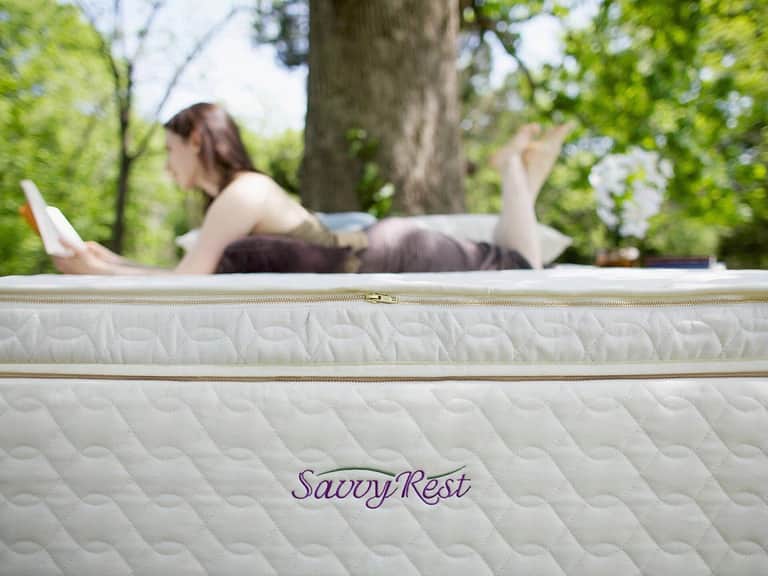
In our overview, Savvy Rest features the Unity Pillowtop Latex Mattress as a notable example of customization—layering Serenity (Dunlop) with Harmony (Talalay) to achieve a 13-inch profile, with a removable top for refined personalization. This product, among others in the Savvy Rest lineup, illustrates how a brand can translate material purity into a tangible sleeping experience. The Unity Pillowtop is described as plush, with a top layer that balances pressure relief and contour, particularly appealing to side sleepers who crave a softer surface with sustained support.
This article also references the Savvy Rest Harmony Latex Topper, a 4-inch layer designed to add surface softness and improve pressure point relief when paired with a compatible mattress system. The topper’s Wool and organic cotton envelope, along with Talalay latex and Wool insulation, underscore a design ethic that prioritizes breathability and natural materials, hallmarks echoed by Savvy Rest’s broader packaging and guidance.
Beyond Savvy Rest, brands like Naturepedic and Obasan bring complementary strengths: Naturepedic’s emphasis on organic cottons and certification trails, and Obasan’s focus on artisanal latex formulations and sustainable production practices. A careful consumer will compare these brands not only on feel but on the storytelling of material provenance and the fidelity of third-party certifications.
Product spotlight: Savvy Rest Unity Pillowtop Latex Mattress
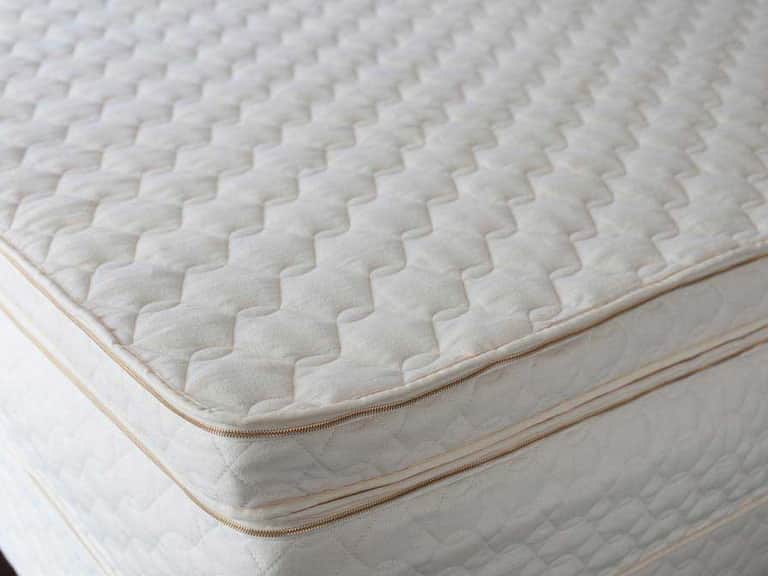
The Unity Pillowtop is a standout for its customizable architecture. It blends four layers, including the Harmony Talalay topper, offering side sleepers a surface with extra relief and a top layer that can respond to shifting pressure. With a total height of 13 inches and a zippered outer casing made of 100% certified organic cotton, the Unity Pillowtop invites a tailoring experience—one that can accommodate evolving comfort preferences.
Key specifications include a 20-year warranty and a 90-day layer-exchange policy, a practical nod to the idea that comfort is a journey rather than a fixed destination. The combination of Dunlop latex for the Serenity base and Talalay latex for the topper provides a balance of support and plush surface feel, while the organic cotton cover ensures that the top-liner remains breathable and durable.
Product at a glance
- Mattress height: 13 inches
- Layers: 4 (Serenity base, Harmony topper, optional customization)
- Cover: 100% organic cotton; removable
- Warranty: 20 years
- Care: spot clean guidelines; yarns and fabrics designed for breathability
The Unity Pillowtop demonstrates how a brand can translate material purity into a tangible sleep experience. While premium latex surfaces command a higher price point, the longevity and configurability can offset upfront costs for those who value personalized comfort and sustainable materials.
A practical buying guide for latex mattresses
1) Define your primary goals. Do you want a surface that feels buoyant and responsive, or a more contouring feel with deeper pressure relief? Latex is well-suited to both across different formulations (Dunlop for durability and affordability, Talalay for a softer, more uniform feel).
2) Prioritize certifications and materials provenance. Seek products with GOTS and GOLS certifications, and verify that the latex is produced by responsible suppliers. Transparently reported sourcing and manufacturing practices will help you gauge long-term satisfaction and health considerations.
3) Compare firmness across layers. A mattress that offers multiple layers or an optional topper can expand the range of comfort, enabling you to tailor the surface across different sleep phases or seasonal preferences.
4) Consider the sleep environment. A well-ventilated cover, breathable inner layers, and edge support can all influence how a latex mattress performs over time in terms of temperature regulation and durability.
5) Plan for setup and maintenance. A latex mattress with a removable cover and straightforward care instructions makes weekly upkeep easier, preserving the mattress’s structural integrity and cleanliness.
Conclusion: a material narrative of comfort and credibility
Latex mattresses occupy a storied place in the modern sleep landscape. They marry natural material integrity with a science-forward approach to comfort. The brands discussed—Naturepedic, Obasan, Savvy Rest—offer distinct pathways toward the same destination: a sleep surface that respects breathability, supports spinal alignment, and endures through the years with ethical care for materials, people, and ecosystems.
As you navigate the latex landscape, you do more than choose a product; you choose a philosophy of sleep. You opt into a narrative of scientific curiosity, careful sourcing, and a quiet, resolute confidence in a surface that holds up night after night without sacrificing nature’s gentler touch. The right latex mattress, with its layered architecture and organic heart, can become a trusted ally in the long, restorative work of sleep.
Notes on sources and further reading
For readers seeking deeper validation, this guide references third-party certifications and brand disclosures that illuminate organic content, latex composition, and manufacturing standards. Readers should consult the official brand documentation for current specifications and warranty terms, as product lines evolve with new formulations and certifications.