Bedding · Consumer Guide
A Practical Guide to Bedding Warranty Terms and Exclusions
A warranty is a promise with boundaries. It may offer protection against certain defects in materials or workmanship, but it is not usually a guarantee that a mattress will feel perfect forever—or that every change in its appearance signals a problem. Reading the terms before purchase, and keeping the paperwork afterward, can make the difference between a straightforward inquiry and a frustrating one.
Buying bedding tends to involve a peculiar leap of faith. A mattress is large, costly, and difficult to judge in a brief visit to a showroom. A pillow may feel convincing for a minute and less convincing at three in the morning. Warranty language offers a little structure to this uncertainty: it tells you what the manufacturer says it will do if a covered problem appears. It also sets out what falls outside that promise.
The language can be dry, but the questions it answers are practical. How long does coverage last? What counts as a defect? Does the warranty require a particular foundation or care routine? What documents should be kept? And, if the issue concerns an Aireloom product, which warranty belongs to that precise model? The useful approach is to treat the warranty as one part of the purchase—not as a substitute for a return policy, a comfort trial, or careful product research.
Warranty, return policy, and comfort trial: three different things
These terms often appear together in sales material, where they can blur into a single reassuring impression. They describe different arrangements. A warranty generally addresses specified defects or failures during a stated period. A return policy explains whether a buyer can send an item back under the retailer’s conditions. A comfort trial, when offered, may allow a customer to use a mattress for a defined period and exchange or return it according to separate rules.
A mattress that feels too firm is not necessarily defective. Nor is a pillow that does not suit a particular sleeper automatically covered by a warranty. Those are matters of preference or fit, and they are more likely to be addressed by a retailer’s exchange policy or trial terms, if one exists. A seam that opens, a component that fails, or a structural defect may be a warranty question—but only if the written terms define it as covered and the product meets the stated conditions.
Before ordering, ask for each policy in writing. Note who administers it, how long the trial lasts, whether there are fees, and what happens if a product is exchanged. A retailer’s return policy may be more generous than the manufacturer’s warranty, or it may be narrower. One does not replace the other. When comparing bedding, keep the documents separate in your notes so that the remedy you expect is attached to the right promise.
Start with the exact product and the current terms
A brand name is not a warranty. Products within the same brand may differ in construction, materials, intended use, and coverage. A mattress, topper, foundation, pillow, and mattress pad need not share identical terms. Even a familiar model name may have revisions or different versions. For an Aireloom warranty, consult the current written terms for the exact product you are considering, and confirm that they apply to the model, size, and purchase date in question.
This is especially important when researching online. Search results, archived pages, dealer descriptions, and old product brochures can be useful clues, but they may not reflect the terms in force for a current purchase. A retailer’s summary is also not necessarily the complete warranty. Ask for the full document, including definitions, exclusions, claim procedures, and any conditions about foundations or care. If a sales representative describes coverage differently from the written terms, request clarification before paying.
A practical file can begin with a few straightforward details: the full product name, model or product code, size, purchase date, seller, and the warranty document provided at sale. If the document is available only through a link, save a copy or note the address and date accessed. Terms can change; a record of what you received helps establish which version was supplied for your purchase.
What a limited warranty may cover
Many bedding warranties are limited rather than all-purpose. They commonly define coverage in terms of particular defects in workmanship or materials, and then describe the remedy available if a qualifying claim is accepted. The remedy might involve repair, replacement, or another response specified in the document. It should not be assumed that every accepted claim results in a brand-new, identical product or that delivery and handling costs will be covered.
A warranty’s stated length is only one piece of the picture. A “20-year limited warranty,” for example, does not necessarily mean every component is covered in the same way for twenty years, or that a customer can claim for any issue that arises during that period. The detailed language may define a period of full coverage, a later prorated period, a particular remedy, or conditions that apply throughout. Read the complete schedule rather than relying on the number printed in a headline.
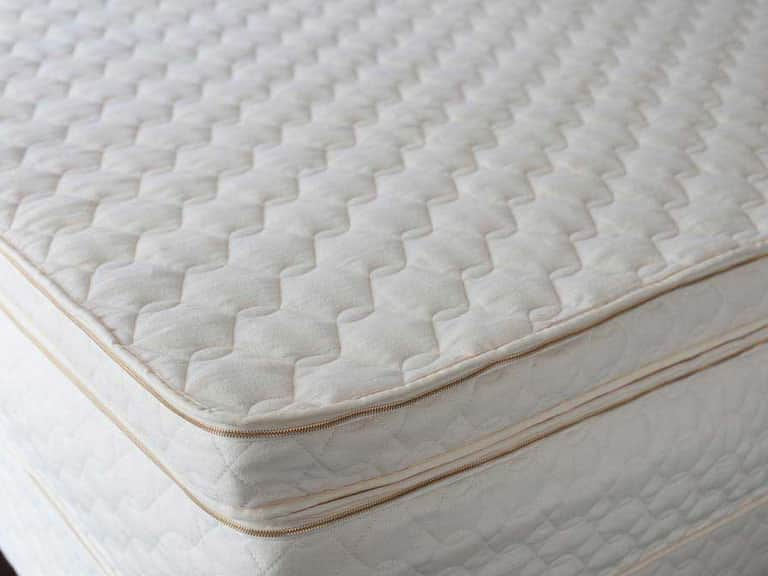
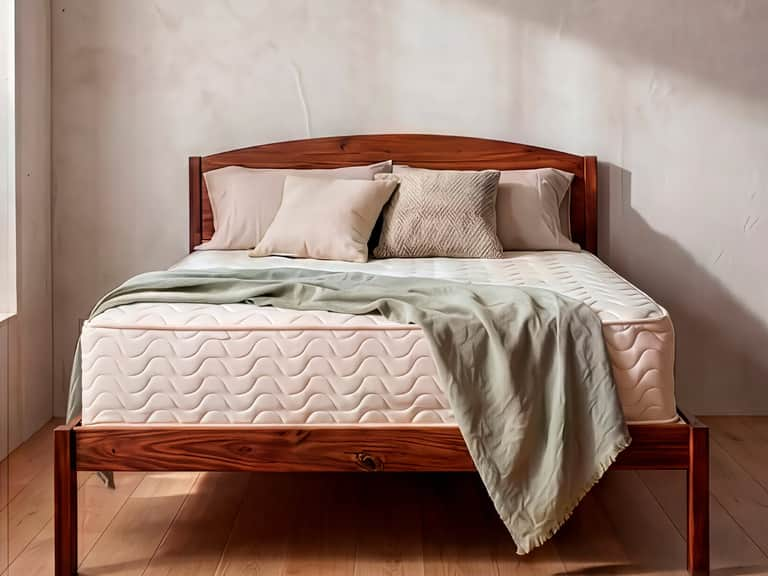
For a concrete example of why product-specific reading matters, the listed warranty information for the Savvy Rest Unity Pillowtop Latex Mattress describes a 20-year limited warranty. That statement is a useful starting point, not a complete answer to every coverage question. A buyer should still obtain the current warranty document and check its terms, exclusions, proof requirements, and any rules about the mattress foundation or use. Product descriptions can summarize; the governing document supplies the detail.
Common exclusions—and why they matter
Exclusions identify circumstances or changes the warranty does not cover. The precise list varies by product, so it is better to read the actual document than to rely on a generic checklist. Still, several themes appear often enough to deserve attention. They include comfort preferences, gradual changes associated with normal use, damage caused by misuse or improper care, stains, and problems linked to an unsuitable foundation or support system.
- Comfort and preference: A mattress feeling too soft, too firm, too warm, or simply unlike what a sleeper expected may fall outside defect coverage.
- Normal settling or wear: Some visible change may be treated differently from a material or construction defect. The document may explain how it measures a qualifying issue.
- Stains and contamination: Many warranties exclude damage associated with spills, bodily fluids, or other soiling. A protector may help prevent damage, but it does not rewrite the warranty.
- Improper support: A foundation, frame, or slat system that does not meet the stated requirements may affect eligibility for coverage.
- Physical damage or misuse: Tears, burns, cuts, bending, or damage from moving and handling may be excluded, depending on the terms.
- Unauthorized alteration: Removing, replacing, or modifying components may complicate a claim if the warranty requires the product to remain in its original condition.
The point is not to assume that every exclusion appears in every policy. It is to find the exact language that applies. Terms such as “normal wear,” “proper support,” or “visible indentation” may have specific definitions. If the warranty sets a measurement threshold or describes an inspection method, make a note of it. A phrase that sounds self-explanatory in conversation can have a narrower meaning in the document.
Foundations, bed frames, and support requirements
A mattress does not operate in isolation. Its performance and the validity of a claim may depend on what supports it. Warranty documents may specify an approved foundation, platform, bed frame, slat spacing, center support, or other construction detail. These rules are easy to overlook when the mattress arrives after the bedroom furniture has already been assembled.
Check the requirements before delivery. If the mattress is intended for an adjustable base, confirm that the particular model and configuration are compatible and that using the base does not conflict with warranty conditions. If a platform or slatted frame is allowed, make sure it meets the written requirements rather than assuming that any flat-looking surface will do. Keep the relevant frame or foundation information, including model details or receipts, with the mattress paperwork.
If you later change the bed setup, review the terms again. A move to another home, a different frame, or a new foundation can alter the support arrangement. This does not automatically invalidate coverage, but it can matter if a future claim involves sagging, structural change, or another issue the warranty connects to support conditions.
Care instructions are part of the fine print
Care instructions are sometimes treated as housekeeping advice, separate from warranty language. They may also be conditions of use. A manufacturer might specify how to clean a cover, whether it can be removed, what products to avoid, or how the item should be handled. If those instructions are ignored, the company may argue that resulting damage is not covered.
For a mattress, avoid assuming that the cover is removable or washable just because it has a zipper. Some covers are not intended to be taken off. A spill should be handled according to the product’s instructions, and a cleaning product should not be tested casually on a surface whose warranty or care label warns against it. For pillows and mattress pads, follow the label for washing, drying, and temperature. A routine that is appropriate for one fabric or fill can damage another.
A mattress protector is often a sensible layer of defense against ordinary accidents, but it is not a universal warranty requirement unless the written terms say so. If the warranty does require one, record that condition. If it does not, a protector may still help preserve the product, though the choice of protector can affect surface feel and temperature. In either case, keep care instructions accessible instead of relying on memory years later.
Proof of purchase and other records to keep
The claim process usually begins with identification: what was purchased, when, and from whom. A receipt or order confirmation is therefore more than a record of price. It can establish the start of the warranty period and connect the claim to a particular seller and product. Keep the original digital confirmation or a clear scan, even if the retailer’s account page appears likely to retain it.
A simple record folder might contain:
- The receipt, invoice, or order confirmation showing the purchase date and seller.
- The full warranty document supplied with the product or linked at the time of purchase.
- The product name, model, size, and any serial, batch, or law-tag information requested by the manufacturer.
- Care instructions and details about the foundation, frame, or adjustable base used.
- Correspondence with the retailer or manufacturer, including dates and reference numbers.
If a problem appears, take clear photographs before moving or altering the product, unless the manufacturer instructs you otherwise. Record when you first noticed the issue and what was happening at the time. Photographs do not prove that a defect is covered, but they can help explain the concern and preserve a useful record of its condition. Do not discard packaging, labels, or tags until you have checked whether they are required for a claim.
How to approach a bedding warranty claim
A calm, orderly claim is easier to assess than a long account assembled from scattered emails. Begin by identifying the exact issue in plain terms. Compare it with the warranty’s definitions and exclusions. Then contact the party named in the document—often the manufacturer, retailer, or an authorized service channel—and ask what materials are needed to open a claim.
- Locate the current documents. Read the warranty supplied with the product and check that it matches the model and purchase date.
- Review eligibility and conditions. Look for time limits, definitions of defects, support requirements, exclusions, and any inspection procedures.
- Gather evidence. Have the proof of purchase, product details, photographs, and any relevant foundation or care information ready.
- Contact the correct administrator. Use the claim instructions in the written terms, and keep a record of when and how you made contact.
- Ask about the next steps. Confirm whether an inspection is required, whether the item should remain in place, and what costs or timelines may apply.
Describe what you observe without reaching prematurely for a legal or technical conclusion. “The seam has separated along the edge” is more useful at first contact than a confident declaration about why it happened. If the company requests measurements or additional photographs, follow the instructions closely and keep copies of what you submit. Ask for written confirmation of any instructions that affect care, inspection, removal, or disposal.
Questions to ask before buying
The best moment to clarify warranty terms is before the mattress is in the bedroom. A few direct questions can reveal whether a policy fits your expectations and whether the required conditions are practical in your home.
- Can I read the full warranty for this exact model before placing the order?
- What does the warranty define as a covered defect, and how is it assessed?
- What are the main exclusions, including those concerning comfort, stains, and normal changes over time?
- Which foundations, frames, or adjustable bases are permitted?
- What records, labels, or photographs might be needed for a claim?
- Who handles claims, and are inspection, transportation, or other fees possible?
- How does the warranty differ from the retailer’s return policy or comfort trial?
A good answer should be specific enough to verify. “You’re covered” is less useful than a copy of the applicable terms and an explanation of where to find the relevant provision. If a condition would be difficult to meet—say, a particular support system or care method—consider that before purchase, rather than discovering it when a claim is already underway.
Reading the warranty without expecting it to do everything
A warranty is neither a prediction of failure nor a promise of permanent comfort. It is a defined arrangement for certain problems, subject to stated conditions. Its value depends on the coverage, the remedy, the exclusions, and the ease of following the claim process. The length of the term matters, but so do the sentences that qualify it.
For bedding purchases, the most reliable habit is also the least dramatic: read the current warranty for the exact product, distinguish it from the return policy, understand the support and care requirements, and keep the documents. If the product is an Aireloom item, verify its model-specific warranty rather than assuming that terms from another mattress or an older listing apply. A little attention at the outset can spare a buyer the unpleasant discovery that the promise they remembered was not quite the promise on paper.
This article offers general consumer information, not legal advice. Warranty terms vary by manufacturer, product, seller, and purchase date; consult the written terms that apply to your specific purchase.